



(1).png)



.JPG)
.jpg)


.jpg)
.jpg)
.jpg)

MESSAGE OF ELON MUSK
MESSAGE OF ELON MUSK
Have you ever walked out of a meeting without understanding what everyone just said? Elon Musk believes this is not your fault, but the fault of the way of communication.
The first thing Elon Musk wanted to eliminate at Tesla was not a process, nor a department. It was... confusing words.
It may sound strange, but to Elon Musk, a business cannot operate quickly if employees have to spend time "deciphering" each other's language.
In an internal email that was once widely circulated, Elon Musk requested that employees minimize the use of acronyms, technical jargon, or terms that only people within the company understand. According to him, if a term needs further explanation, it has already slowed down the communication process.
Musk argues that no one should have to memorize an "internal dictionary" just to understand what their colleagues are saying. The names of processes, products, or software should be clear enough for anyone to understand immediately upon hearing them.
It sounds simple, but behind it is a management philosophy worth reflecting on.
Many people think that the more professional jargon used, the more professional it demonstrates. But Elon Musk looks at it in the opposite direction. According to him, every acronym or internal jargon creates a "communication cost." New people have to learn more. Colleagues in other departments have to ask again. Partners lose time trying to understand. And hundreds of such small interruptions become thousands of wasted working hours.
Try to imagine in a meeting, someone says: "We need to sync the KPI with the SOP before deploying the OKR, then the PM will work with the QA to review."
If everyone understands, there is no problem.
But if just one person has to stop to ask "Who is the PM?", "What is an SOP?", or "What are the duties of the QA?", the entire discussion will be interrupted. Everyone has to explain again. The meeting lasts longer. Decisions are also slower.
That is exactly what Elon Musk wants to eliminate.
What is worth noting is that he does not oppose professional expertise. Tesla is a technology company, where engineers have to work with incredibly complex systems. What Musk opposes is turning terminology into a barrier to communication.
According to him, a person who truly understands a problem is not the one who speaks with the most difficult words, but the one who can explain complex things in simple language so that everyone can understand.
This philosophy also reflects Elon Musk's management style: prioritizing speed, transparency, and the ability to make decisions quickly.
In an environment where every minute has value, a clear message is always better than a sentence that makes everyone have to guess.
In fact, this is not just Tesla's story.
Many businesses today are "drowning" in acronyms, jargon, and phrases that sound very professional but make communication more complicated.
Emails are long but unclear about what needs to be done. Meetings are long but no one can agree on the handling direction. Reports are full of jargon but the reader still doesn't know what the core problem is.
Sometimes, what slows down an organization is not a lack of talent or technology, but how people communicate information to each other.
There is a very good saying: "If you cannot explain something simply, perhaps you do not really understand it yet."
Perhaps that is also the message Elon Musk wants to send to his employees.
Professionalism does not lie in using flowery or complex words. Professionalism lies in the ability to communicate clearly so that everyone understands, coordinates quickly, and aims towards a common goal.
In an era where speed is a competitive advantage, clear communication is no longer a soft skill. It is a strategic advantage.
Do you agree with Elon Musk's point of view? In your opinion, does using too much jargon in a business help improve professionalism or is it inadvertently reducing communication effectiveness?

Related news
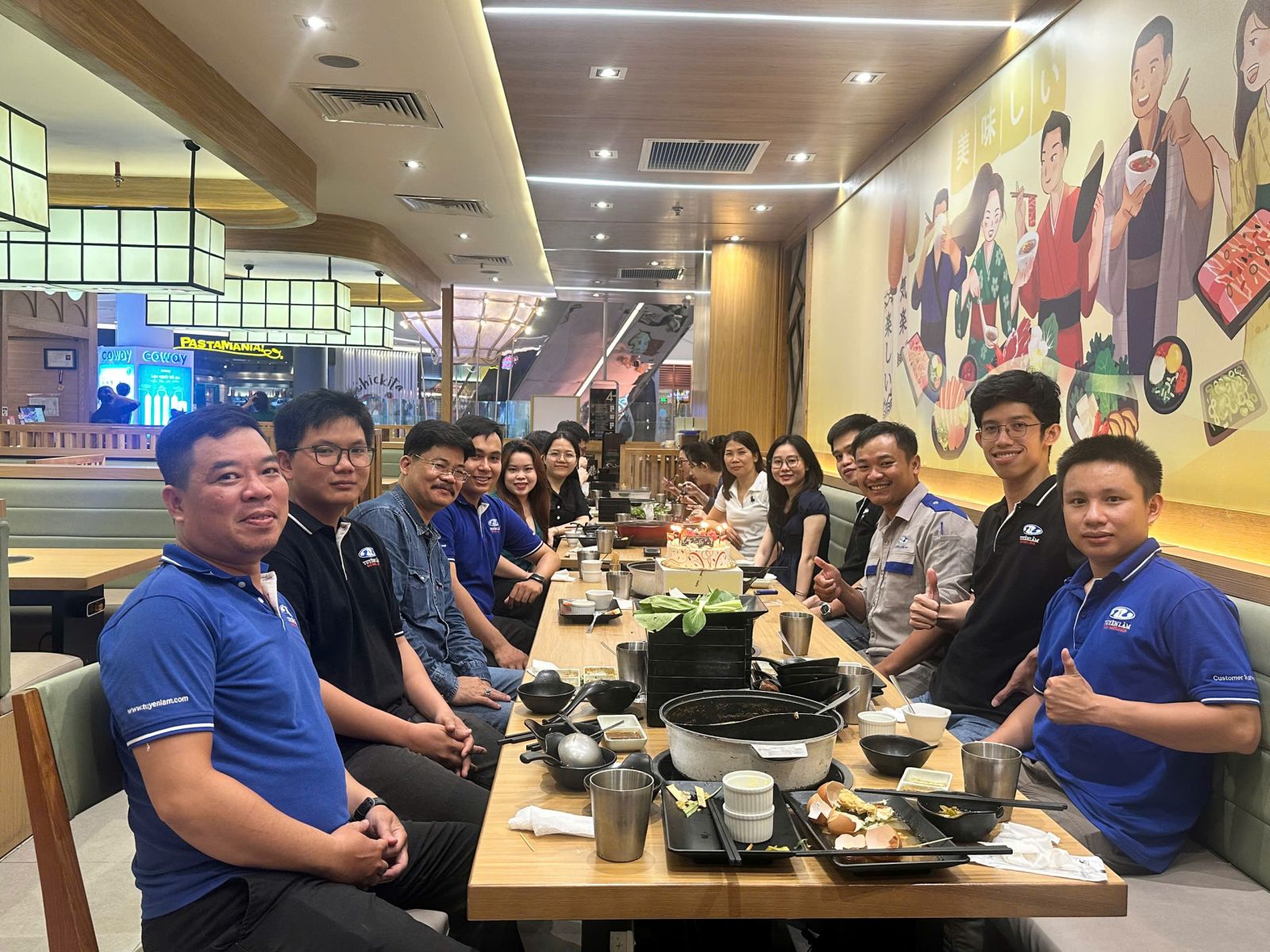
TLC MARATHON CLUB
TLC MARATHON CLUB
.jpg)
TLC BROTHERSHIP
We do not call colleague in TLC, we called brother!
.png)
.jpg)

+84(0)91 587 6679
Featured news








.jpg)
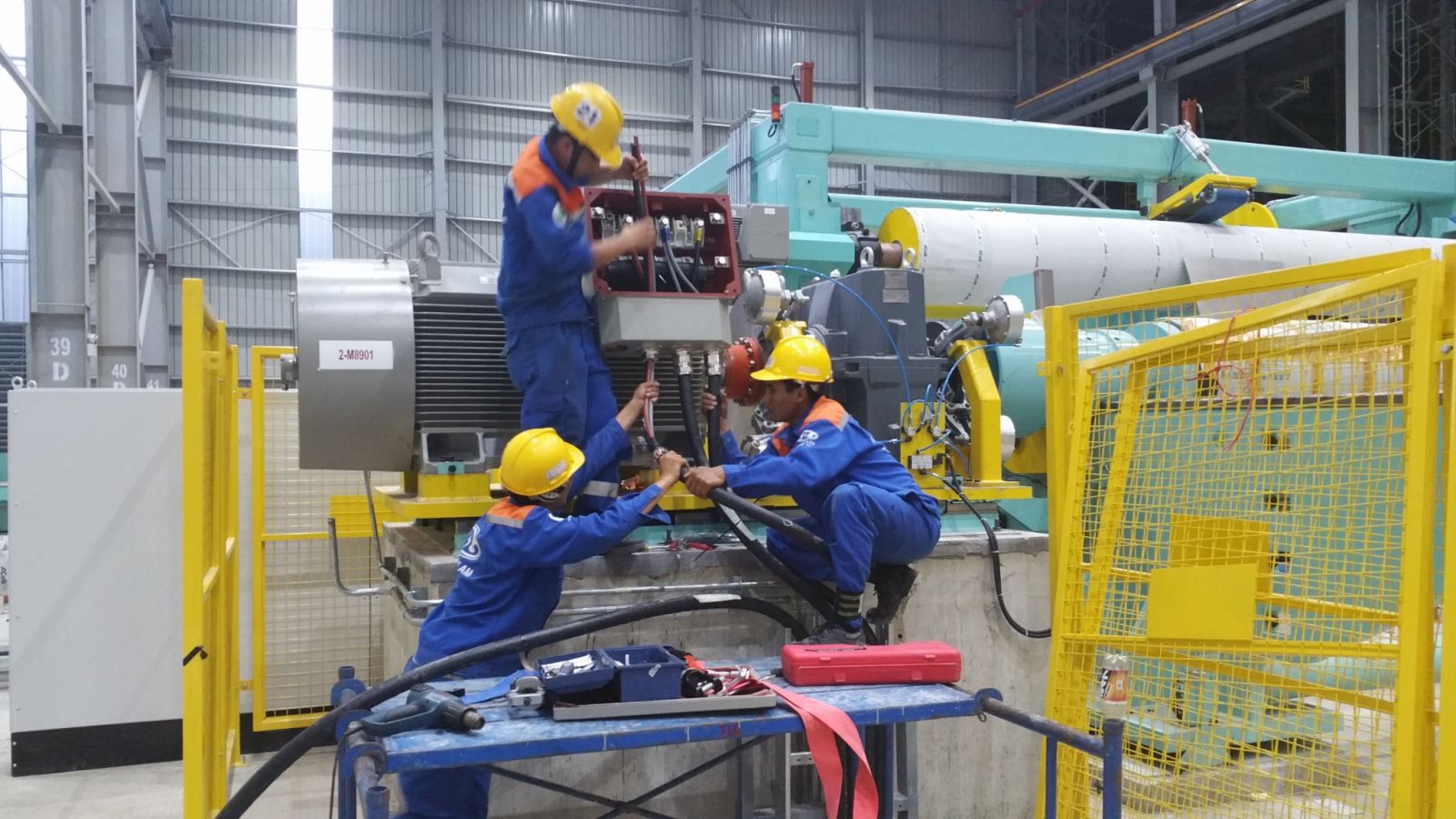


CUSTOMERS-PROJECT










.PNG)
.PNG)
.PNG)
.PNG)
.PNG)
.PNG)
.PNG)
.PNG)
.PNG)
.PNG)
.PNG)
.PNG)

.PNG)
.PNG)
.PNG)
.PNG)


.PNG)

.PNG)

